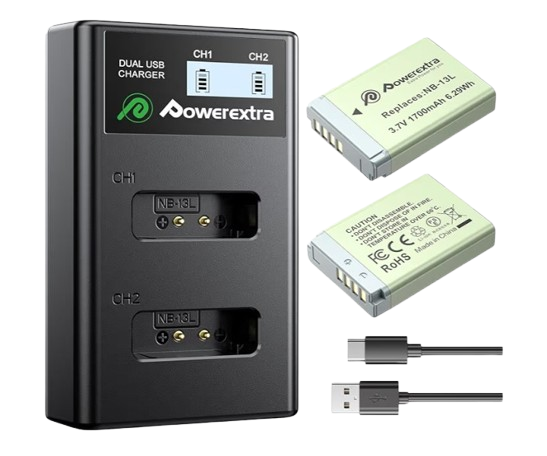
Battery
A battery is a device that stores chemical energy and converts it into electrical energy to power electronic devices. It consists of one or more electrochemical cells, each with a positive and negative electrode and an electrolyte. Batteries come in various types, including alkaline, lithium, nickel-metal hydride, and lead-acid, each suited for different applications. They can be rechargeable or single-use, depending on the chemistry. Portable batteries power gadgets like smartphones, laptops, and cameras, while larger ones supply energy to vehicles and backup systems. They vary in size, shape, and voltage to meet specific needs. Proper handling and disposal are important for safety and environmental protection. Modern batteries emphasize high energy density, long life, and efficiency. Overall, batteries are essential, versatile energy sources for everyday life and industrial use.